
🏗️ Introduction
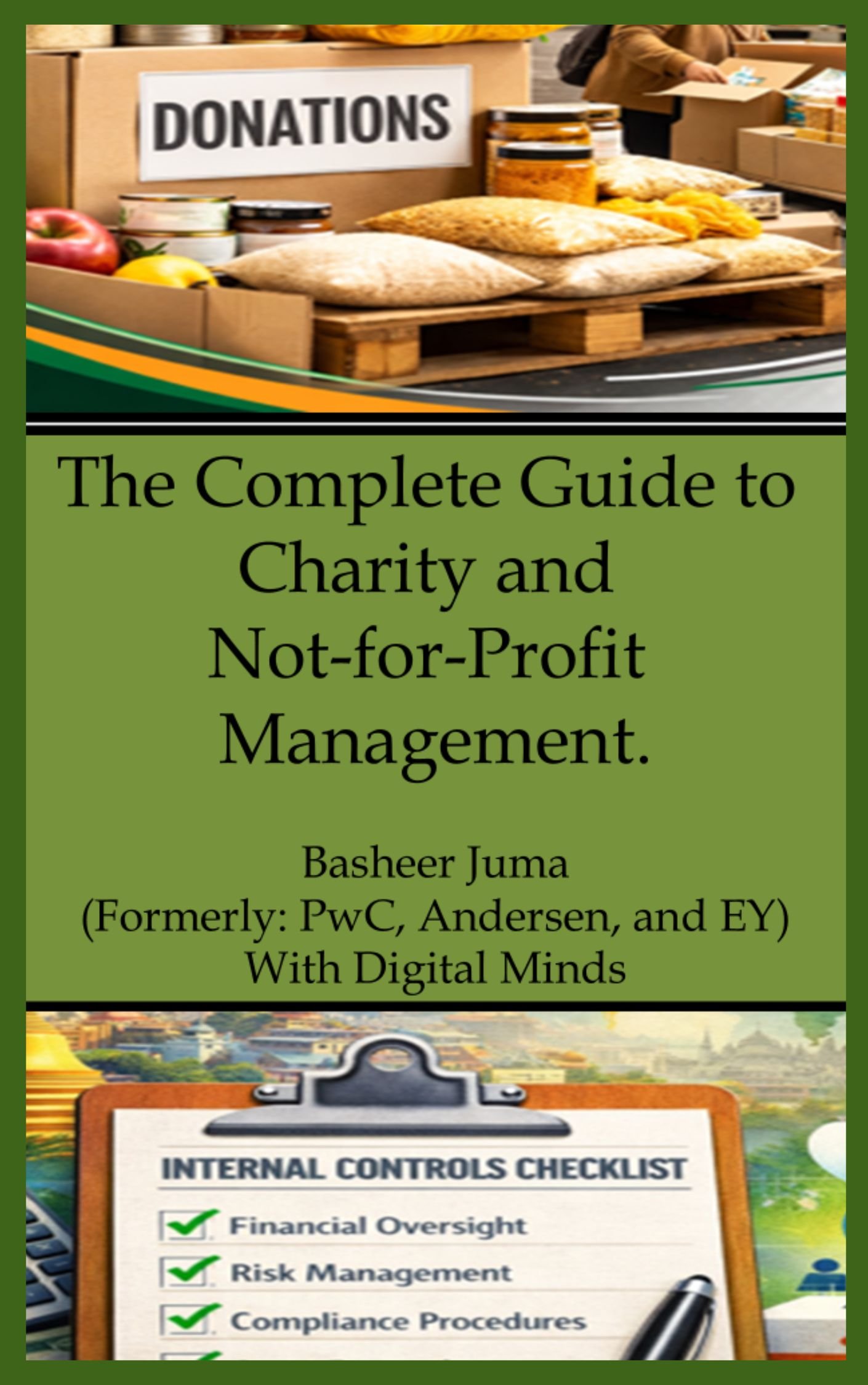
The Complete Guide to Charity and Not-for-Profit Management is a comprehensive, globally relevant handbook designed to empower charity operators, nonprofit leaders, and managers to run their organizations with excellence, transparency, and long-term sustainability.
In today’s increasingly complex nonprofit landscape, good intentions alone are no longer enough—effective management, accountability frameworks, financial discipline, and governance excellence are essential for achieving a lasting impact. This book provides a structured, practical roadmap spanning 23 chapters over 10 key parts, covering everything from organization setup, leadership, and risk management to performance measurement, sustainability, innovation, and building a culture of excellence.
Utilizing globally adaptable frameworks, such as the 6E Model (Economy, Effectiveness, Efficiency, Enhancement, Evaluation, Ethics) and the 20-Point Capacity Assessment Model, this guide bridges the gap between theory and practice. It offers ready-to-use tools, checklists, templates, and real-world scenarios to help organizations of all sizes—local community charities, national nonprofits, international NGOs, and faith-based organizations—achieve superior operational performance.
Whether you’re starting a charity, leading an established nonprofit, or reimagining your organization for future readiness, this guide provides the comprehensive strategies, systems, and insights necessary to thrive and create maximum social value.
| Chapter | Title | Focus Area | ||
| 1 | Setting Up Your Charity | Lays the foundation—vision, registration, legal structure, and board formation | ||
| 2 | Institution Building | Developing internal systems, SOPs, infrastructure, and organizational memory | ||
| 3 | 6E Framework for Performance Excellence | Introducing Economy, Efficiency, Effectiveness, Ethics, Evaluation, and Enhancement | ||
| 4 | Strategic Planning | Aligning vision with long-term goals, planning, risk management, and implementation | ||
| 5 | Board Governance | Roles, responsibilities, legal duties, oversight, and ethical leadership | ||
| 6 | Executive Leadership | Competencies, culture creation, operational execution, and crisis leadership | ||
| 7 | Financial Management | Accounting principles, budgeting, cash flow, controls, and reserves | ||
| 8 | Fundraising and Development | Donor stewardship, grants, planned giving, and digital fundraising | ||
| 9 | Pain Points and Gain Opportunities | Identifying challenges and transforming them into organizational strengths | ||
| 10 | Risk Landscape | Financial, operational, legal, reputational, and human resource risks | ||
| 11 | Internal Audit and Control | Auditing principles, internal checks, and program-specific oversight | ||
| 12 | Program Operations | Service delivery standards, coordination across locations, and tech integration | ||
| 13 | HR and Volunteer Management | Recruiting, developing, and retaining mission-driven staff and volunteers | ||
| 14 | Legal and Regulatory Compliance | Taxation, employment laws, fundraising regulations, and nonprofit reporting | ||
| 15 | Transparency and Accountability | Financial and impact reporting, stakeholder communication, and public trust | ||
| 16 | Financial Sustainability | Revenue diversification, earned income, planning reserves, and scaling | ||
| 17 | Innovation and Future Readiness | Encouraging innovation, trend tracking, and succession planning | ||
| 18 | Impact Assessment | Logic models, monitoring tools, data collection, and impact communication | ||
| 19 | Best Practice Implementation | Standardizing governance, operations, and compliance protocols | ||
| 20 | Implementation Roadmap | Tools, checklists, case studies, and resource planning for execution | ||



Reviews
There are no reviews yet.